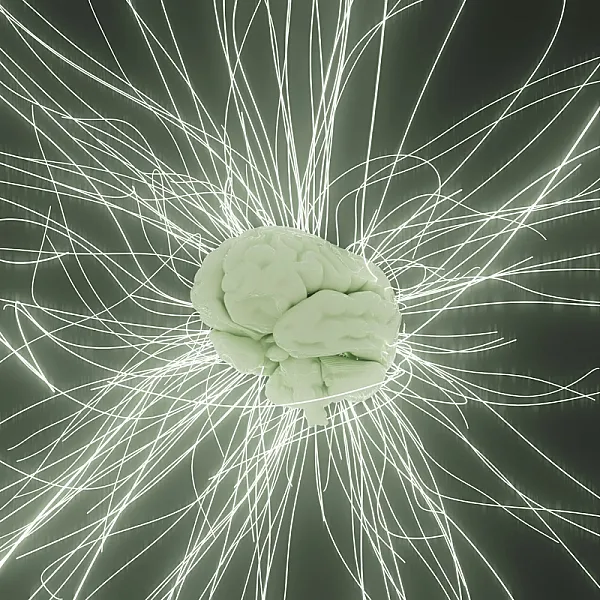
Why do some brand names linger in your mind for years while others vanish the moment you close the browser tab? It isn't just luck. It isn't just a massive marketing budget. The most memorable domain names leverage deep-seated psychological triggers. They play on how our brains process language, store memories, and make associations.
When you choose a domain name, you are making a psychological contract with your audience. A great name signals trust, authority, and excitement before a single page loads. A poor one creates friction, confusion, and hesitation. Understanding the cognitive science behind naming can transform a simple URL into a powerful business asset.
In this post, we will dissect the anatomy of a "sticky" domain name. We will explore why simplicity wins, how sound influences perception, and why emotional resonance is the ultimate competitive advantage.
Cognitive Fluency: Why Simple Wins Every Time
Our brains are efficient machines. They constantly seek the path of least resistance. Psychologists call this concept "cognitive fluency." It refers to how easily we can process information. If something is easy to read, say, and understand, our brains automatically label it as true, safe, and valuable.
The Problem with Complexity
Complex domain names force the brain to work harder. If a user has to pause to check the spelling or sound out a made-up word, you have introduced cognitive friction. That split-second of effort decreases trust. A study on stock market tickers found that companies with easy-to-pronounce ticker symbols actually performed better shortly after their IPOs than those with complex codes. The same principle applies to your web address.
The Processing Power of Familiarity
Great domains often use words we already know. When we see a familiar term, our brain retrieves the meaning instantly. This retrieval is pleasurable. We like things we recognize. A domain like "BudgetCars.com" is cognitively fluent. It tells you exactly what to expect. There is no guesswork. By contrast, a domain like "XylophonicAuto.com" might be unique, but it creates a mental speed bump.
The Power of Sound Symbolism
Did you know that words carry meaning even before we define them? This phenomenon is known as sound symbolism or phonosemantics. The specific sounds of letters evoke physical sensations and abstract concepts.
Hard vs. Soft Sounds
Consonants like K, T, and P are "plosives." They are sharp, energetic, and quick. They convey speed, precision, and action. Brands like TikTok use these sharp sounds to feel snappy and modern.
Conversely, sounds like L, M, and S are softer and more fluid. They evoke comfort, luxury, and ease. If you are selling high-end linens, a domain with soft, rolling sounds (like "SilkDreams.com") aligns with the psychological expectation of the product.
The Bouba/Kiki Effect
A famous psychological experiment shows people two shapes: one jagged and spiky, the other round and curvy. When asked which shape is "Bouba" and which is "Kiki," almost everyone—across different cultures and languages—agrees. The spiky shape is Kiki; the round one is Bouba.
This proves that sounds map to visual shapes and feelings in our brains. If your domain name sounds sharp but your product is soft and comforting, you create psychological dissonance. Aligning the "sound" of your domain with the "feel" of your brand creates a seamless user experience.
The Anchoring Effect of Premium Keywords
First impressions matter immensely. In psychology, "anchoring" is a cognitive bias where we rely heavily on the first piece of information we receive (the "anchor") to make subsequent judgments.
Establishing Authority
Your domain name is often the first anchor. If you own a category-defining domain—let's say, "VRHeadsets.com"—you immediately anchor yourself as the authority. The user assumes that because you own the definitive name, you must be the definitive leader in that space.
This assumption happens subconsciously. A user landing on a generic or hyphenated alternative (e.g., "Best-VR-Gear-Store.net") does not start with that same level of inherent trust. They start with skepticism. The premium domain acts as a psychological shortcut to credibility.
Reducing Decision Fatigue
Consumers today are overwhelmed with choices. Decision fatigue sets in quickly. When a domain name clearly states what the business does, it helps the user categorize the business instantly. They don't have to expend mental energy figuring out if they are in the right place. An authoritative, keyword-rich domain serves as a reassuring signpost that says, "You have arrived."
Emotional Resonance and Storytelling
Logic makes people think, but emotion makes them act. The most powerful domains evoke a feeling or start a story in the consumer's mind.
Evoking Aspiration
Great names often speak to who the customer wants to be, not just what they want to buy. A fitness brand using a domain like "IronWill.com" isn't just selling gym equipment; it is selling the concept of determination and strength. It appeals to the user's aspirational self.
When a domain connects with a core human desire—like freedom, security, love, or success—it becomes much stickier. It moves from being a utility to being an identity marker.
The Curiosity Gap
Some effective domains work by creating a "curiosity gap." These are often slightly abstract but evocative names. They hint at a story without telling the whole thing. Think of Amazon. It implies something massive and exotic, but it doesn't say "bookstore."
However, this strategy carries risk. It relies heavily on marketing to bridge the gap between the name and the service. For most businesses, blending clarity with a touch of emotion is the safer and more effective psychological bet.
Memory Hooks: Rhythm and Rhyme
You probably learned your ABCs through a song. Rhyme and rhythm are potent mnemonic devices. They help encode information into long-term memory.
Alliteration
Alliteration (repeating the same starting sound) makes a name roll off the tongue. "Coca-Cola," "PayPal," and "Best Buy" are classic examples. The repetition creates a musical quality that the brain finds pleasing and easy to recall.
Syllabic Balance
The number of syllables matters too. Two-syllable names are often the sweet spot for tech companies (Google, Twitter, Facebook). They are punchy enough to say quickly but long enough to have a rhythm. Three syllables can work well if they have a waltz-like cadence. Anything longer than four syllables risks being truncated by users, which means you lose control over your brand name.
The Scarcity Principle
Finally, we cannot ignore the psychology of value perception. In economics and psychology, scarcity drives value. We want what is rare.
Premium domains are digital real estate. There is only one of each .com address. Owning a short, dictionary-word domain signals exclusivity. It tells the world that this company has the resources and foresight to secure a rare asset.
This perception of scarcity elevates the brand's perceived value. Customers are willing to pay more for services from a brand that "looks" expensive and established. A premium domain is the digital equivalent of a flagship store on Fifth Avenue. It signals that you are here to stay.
Conclusion: Investing in Mental Real Estate
A domain name is never just a web address. It is a psychological trigger. It is the first step in a relationship with your customer. By prioritizing cognitive fluency, sound symbolism, and emotional resonance, you make it easy for customers to choose you.
You want a name that sticks—one that feels right, sounds right, and stays in the memory long after the screen goes dark. Don't leave this crucial first impression to chance.
Are you ready to find a name that resonates?
Secure your piece of digital real estate today. Explore our curated selection of high-value, memorable domains at Domainmarket.com and give your brand the psychological edge it deserves.